Introduction to Reactive Programming and RxJS Reactive programming is a paradigm that allows developers to build responsive, event-driven applications by modeling data as streams of events. In the context of Angular, RxJS (Reactive Extensions for JavaScript) is a powerful library that enables effective reactive programming. By embracing RxJS, developers can handle asynchronous operations, event streams,Continue reading “How to use RxJS effectively in Angular for reactive programming”
Tag Archives: RxJS
RxJS for Real Enterprise Use Cases: A Practical Course for Angular Developers

If you’ve worked on real Angular applications, you already know this truth: Most production problems are not about “how to use an operator”… They’re about handling complex async flows reliably. That’s exactly why I built my new course: RxJS for Real Enterprise Use Cases This course is designed for developers who want to move beyondContinue reading “RxJS for Real Enterprise Use Cases: A Practical Course for Angular Developers”
Using combineLatest in Angular to perform multiple HTTP requests but don’t wait until all done.
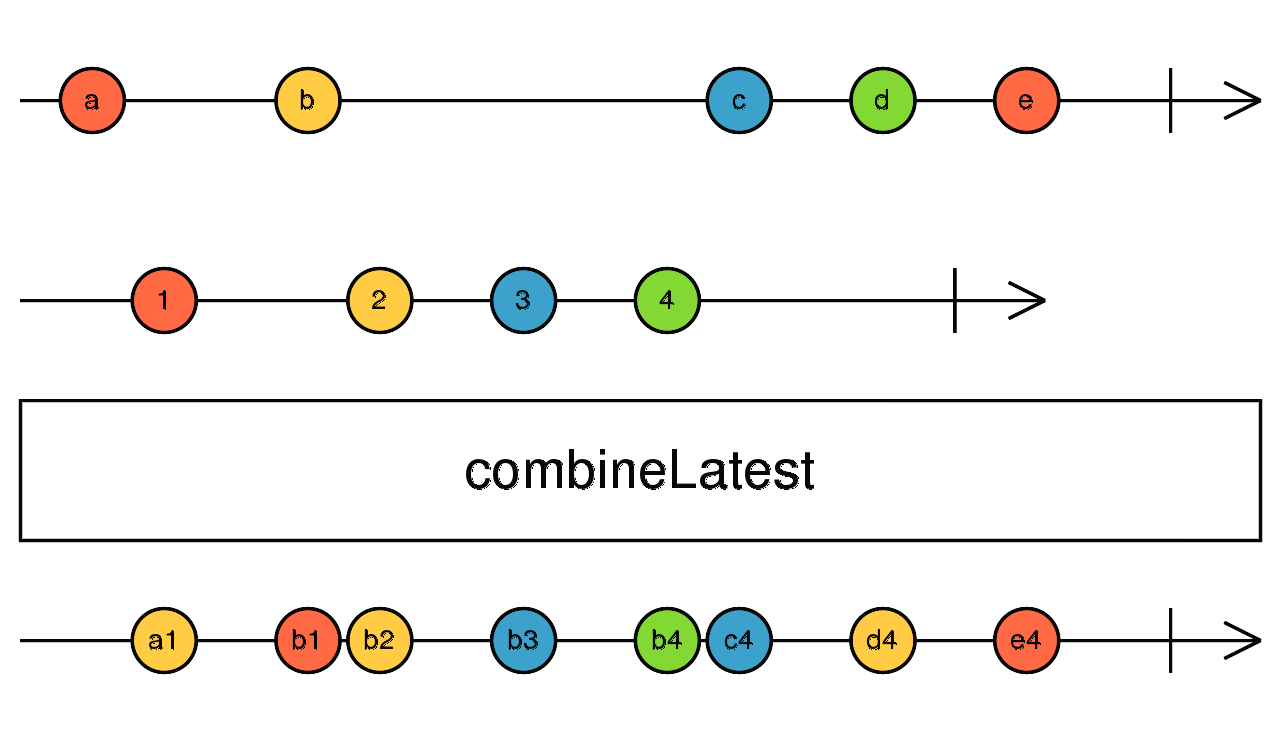
In a previous post we have seen how the forkJoin operator is used to group multiple http requests (basically group observables) and take action only when all the requests have returned, i.e, we are waiting until all the http calls are finished. But, what if we do not want to wait until all are done?,Continue reading “Using combineLatest in Angular to perform multiple HTTP requests but don’t wait until all done.”
Create HTTP Observable from Fetch in Angular
Explore the fusion of Angular and the Fetch API to create HTTP observables. In this guide, we unveil the power of asynchronous HTTP requests, providing you with a deeper understanding of HTTP observables. The Fetch API offers granular control and flexibility, making it a compelling alternative to Angular’s built-in HttpClient module. Whether you’re a developer seeking versatility, fine-tuned requests, or a new perspective, this approach has you covered in web development.
Understanding RxJS Operators: concatMap, mergeMap, and exhaustMap
RxJS, or Reactive Extensions for JavaScript, is a powerful library for working with asynchronous data streams in JavaScript. It provides a wide range of operators that enable developers to manage and manipulate data flows effectively. Among these operators, concatMap, mergeMap, and exhaustMap are commonly used for transforming and managing observable sequences. In this blog post,Continue reading “Understanding RxJS Operators: concatMap, mergeMap, and exhaustMap”
Create a custom RxJS Operator – Debug Operator
Sometimes in reactive programming its difficult to understand logic or code when we are using multiple operators, it’s not always easy to read through the observable chain, so in order to better understand the program and to troubleshoot the code we often use the tap operator to log statements to the console. For example: Say,Continue reading “Create a custom RxJS Operator – Debug Operator”
Using forkJoin in Angular to perform multiple HTTP requests but wait until all done.
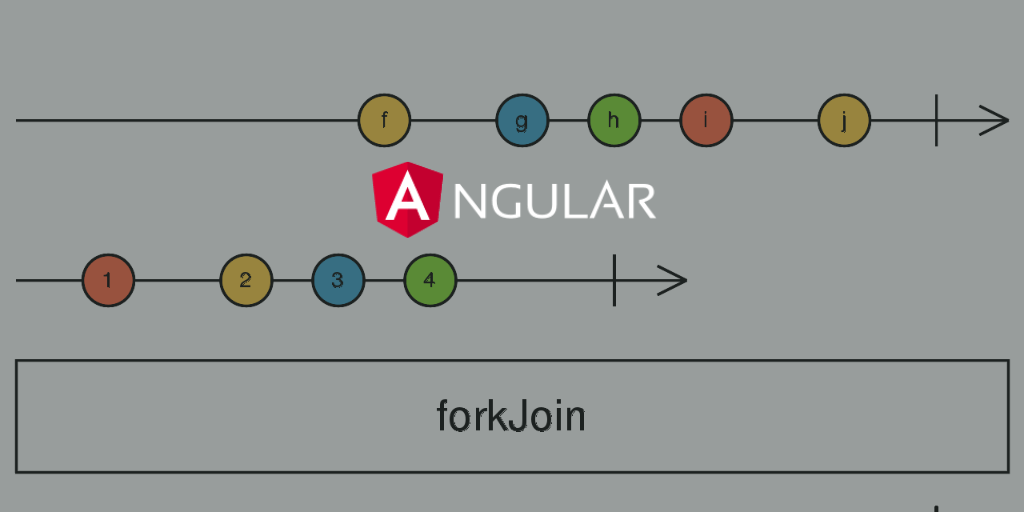
use the forkJoin operator pass these two HTTP request as the inputs and wait for these two HTTP requests to complete
 Kumar Gandhi Koppolu